Roof Waterproof Coating: Benefits, Types & Supplier Guide

Table of Contents

Roof waterproof coating is an essential solution for extending the service life of buildings and preventing costly damage caused by leaks, UV exposure, and weathering. Unlike ordinary paint, waterproof coatings form a seamless protective layer that enhances durability, improves energy efficiency, and reduces long-term maintenance costs. In this article, we will explain the main types of roof waterproof coatings, their benefits, and what to consider when choosing a reliable supplier.

What Is Roof Waterproof Coating?

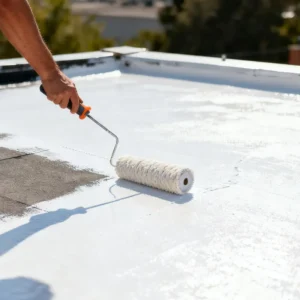
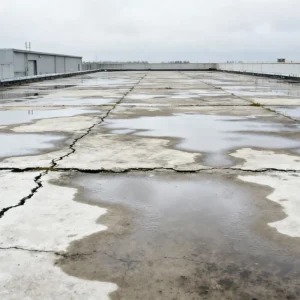
A roof waterproof coating is a liquid-applied material designed to protect the roofing surface from water penetration, chemical damage, and UV rays. Once cured, it forms a continuous membrane that adapts to the roof’s movement and environmental conditions. These coatings are widely used in commercial, industrial, and residential projects because they offer an affordable alternative to full roof replacement.

Types of Roof Waterproof Coatings

Acrylic Roof Coatings

Acrylic coatings are water-based and cost-effective, making them popular for sloped roofs and metal surfaces. They provide excellent reflectivity and help reduce cooling costs. However, they are less suitable for areas with ponding water lasting more than 48 hours.

Silicone Roof Coatings

Silicone coatings excel in resisting ponding water and UV degradation, making them ideal for flat or low-slope roofs in rainy or hot climates. They require minimal priming but are difficult to recoat with non-silicone materials, which is important for long-term maintenance planning.

Polyurethane Roof Coatings

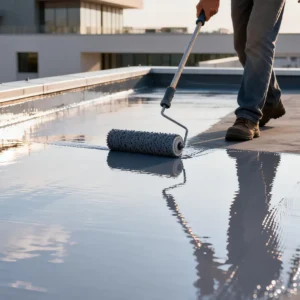
Polyurethane (urethane) coatings are known for their toughness, abrasion resistance, and flexibility. They are often used in high-traffic areas where mechanical equipment or maintenance work takes place. Typically applied in two layers (base and top coat), they provide strong adhesion and long-lasting performance.

Water-based 911 Polyurethane Waterproof Coating

Key Benefits of Roof Waterproof Coatings

  • Extended Roof Lifespan: Coatings protect against water and UV damage, helping roofs last longer.

  • Energy Efficiency: Reflective coatings reduce heat absorption and lower cooling costs.

  • Cost-Effective Maintenance: Applying a coating is less expensive than replacing an entire roof.

  • Easy Application: Coatings can be installed over existing roofs with minimal disruption to operations.

How to Choose the Right Coating and Supplier

When selecting a roof waterproof coating for your project, consider:

  • Roof Type & Condition: Match the coating with the substrate (metal, concrete, single-ply, etc.).

  • Climate Factors: Silicone for heavy rain or ponding areas, acrylic for reflective energy savings, polyurethane for durability.

  • Industry Standards: Acrylic coatings should comply with ASTM D6083/D6083M performance requirements.

  • Supplier Reliability: Work with manufacturers who offer technical support, production capacity, and certified test reports.

  • Warranty & Lifecycle Support: Ask about product warranties and future recoating compatibility.

Applications Across Industries

Roof waterproof coatings are widely applied in:

  • Commercial Buildings: Shopping malls, offices, and warehouses.

  • Industrial Facilities: Factories and storage units with large roof areas.

  • Residential Projects: Apartment complexes and private homes.

  • Agricultural Structures: Barns, silos, and greenhouses.

Conclusion & Call to Action

Roof waterproof coatings provide a cost-effective, sustainable way to extend the lifespan of buildings, improve energy performance, and reduce repair costs. By understanding the strengths of acrylic, silicone, and polyurethane coatings, project managers and contractors can make informed decisions for their projects.

👉 Looking for a reliable roof waterproof coating supplier for your next construction project? Contact Sapion today for certified products, technical support, and tailored solutions.
Request A Quote for Your Projects!
Share The Post Now:

Ask for Quote Now