
Liquid-applied waterproofing coatings for roofs, bathrooms, balconies, basements, exterior walls and concrete structures.
Liquid-applied waterproofing coatings for roofs, bathrooms, balconies, basements, exterior walls and concrete structures.
Different substrates and exposure conditions require different waterproofing systems.
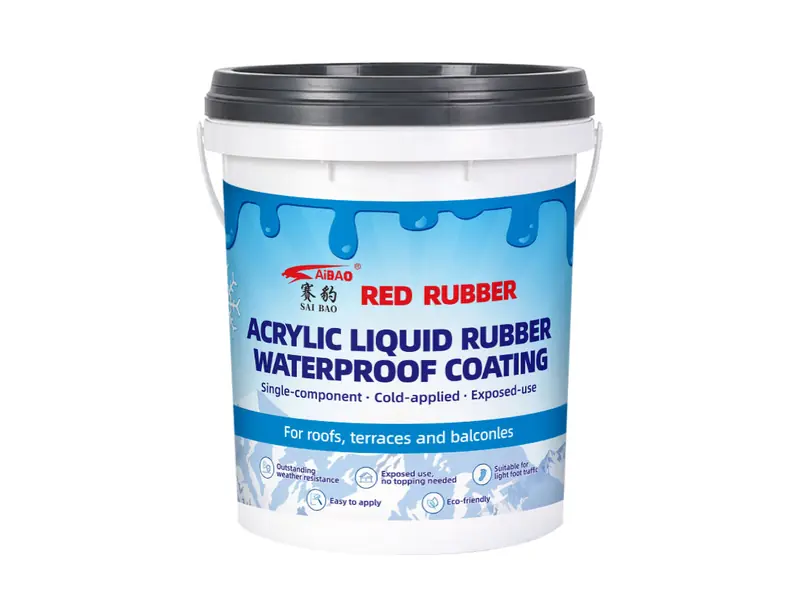
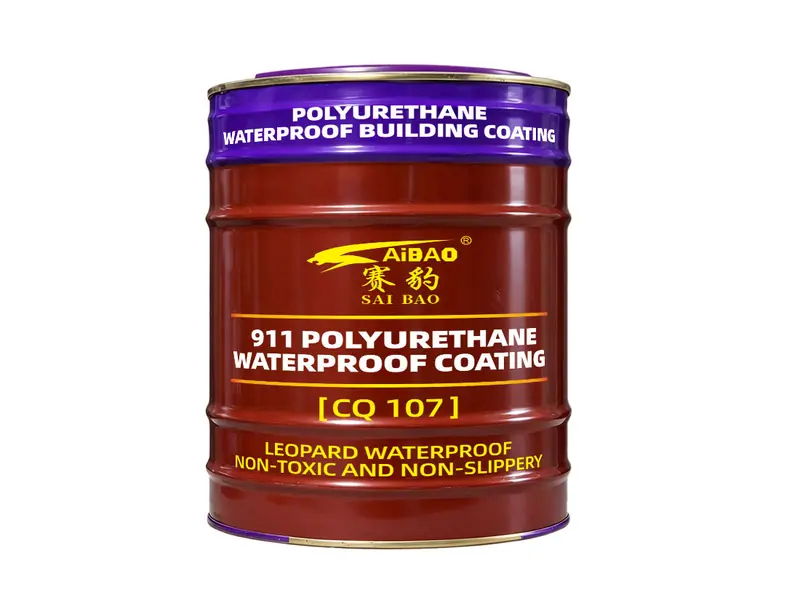
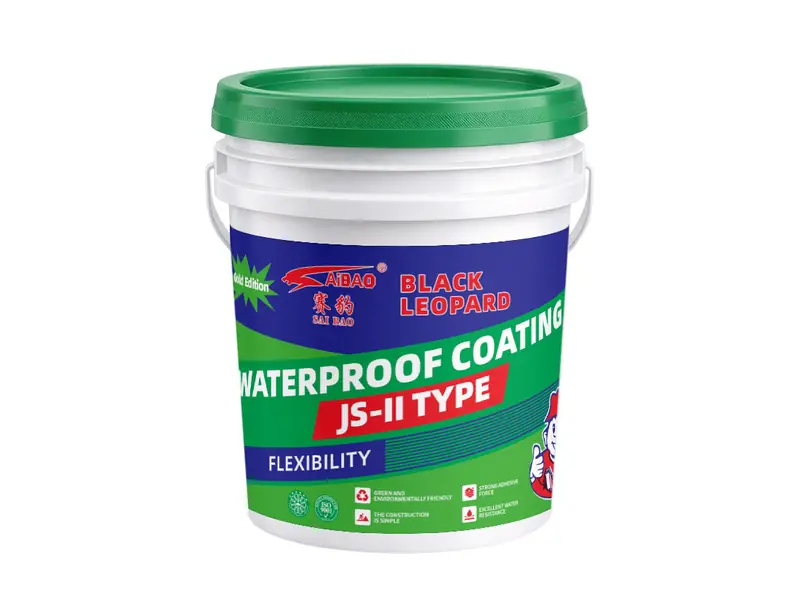
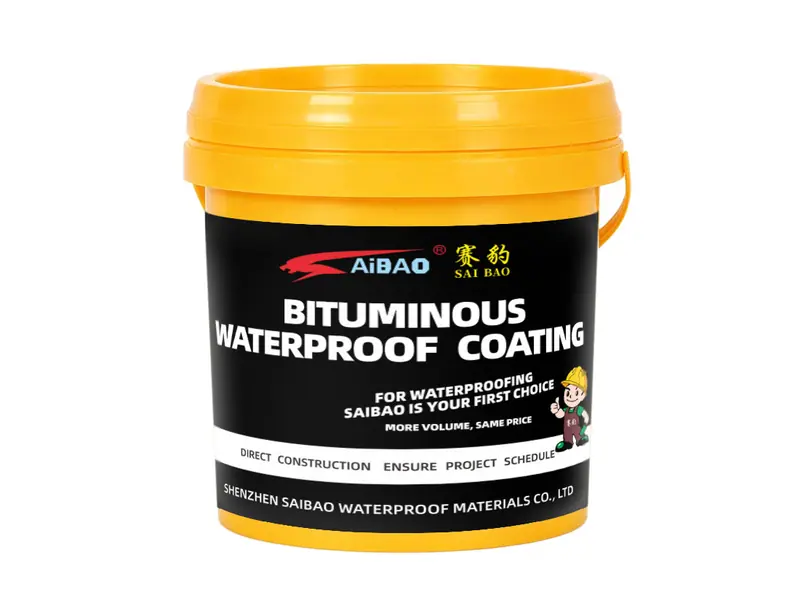
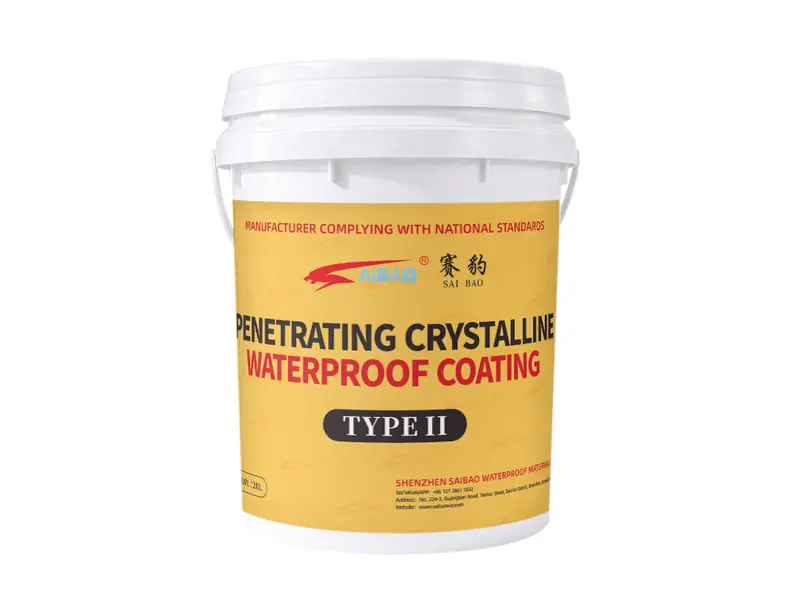
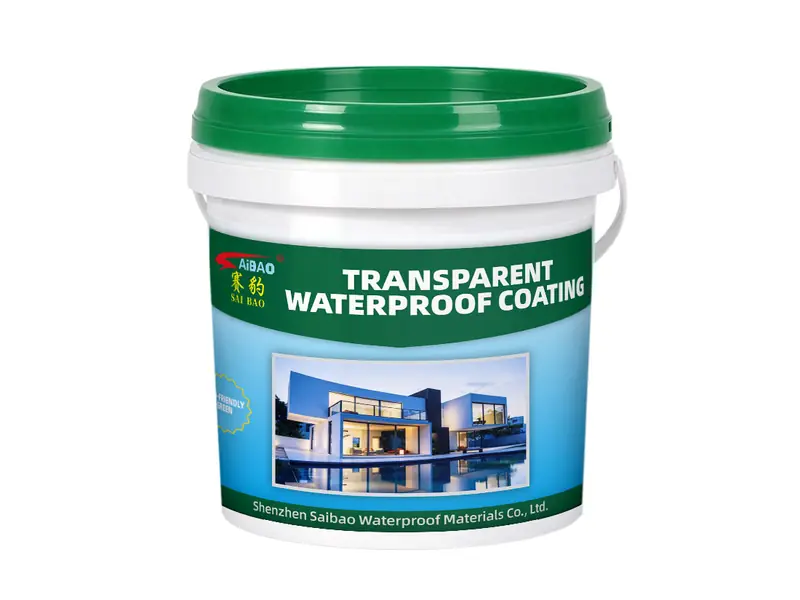
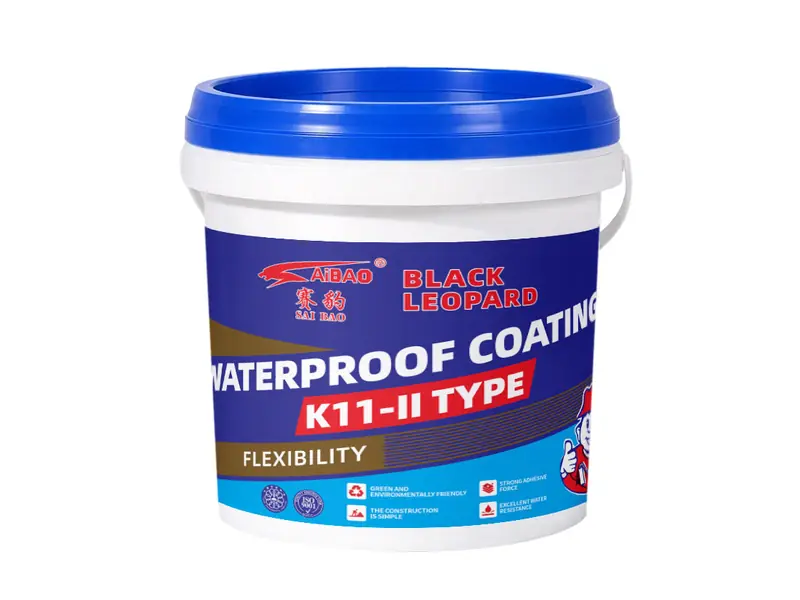
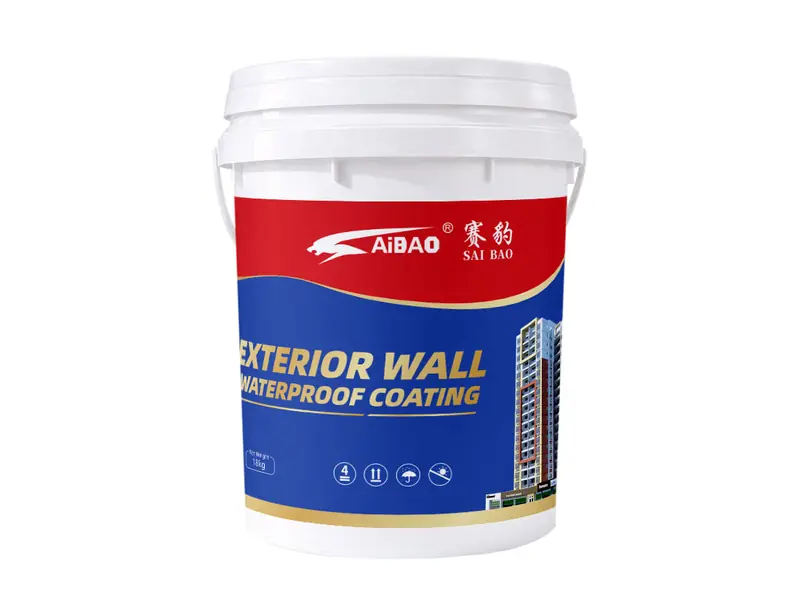
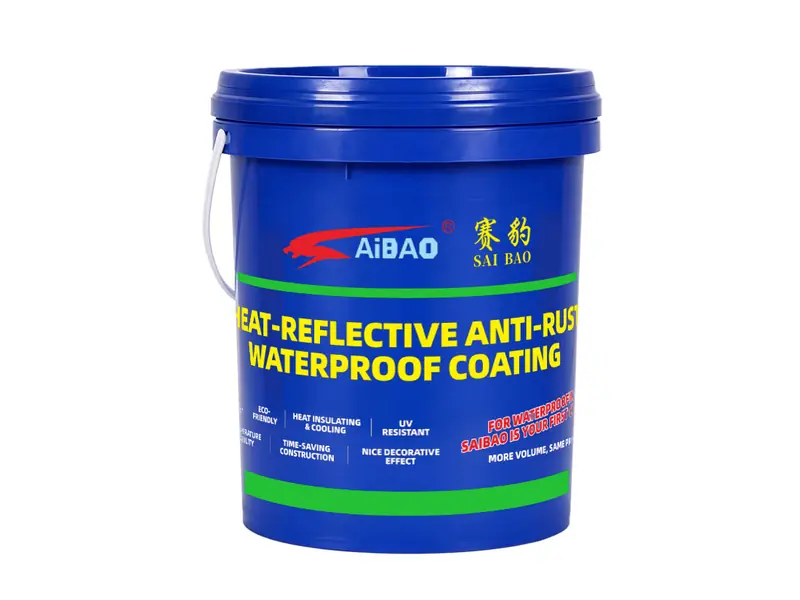
Different waterproofing technologies are designed for different substrates, exposure conditions and finishing requirements. Use this comparison as a starting point before selecting a product.
| Waterproof Coating | Best Suited For | Why Choose It | Key Point to Check |
|---|---|---|---|
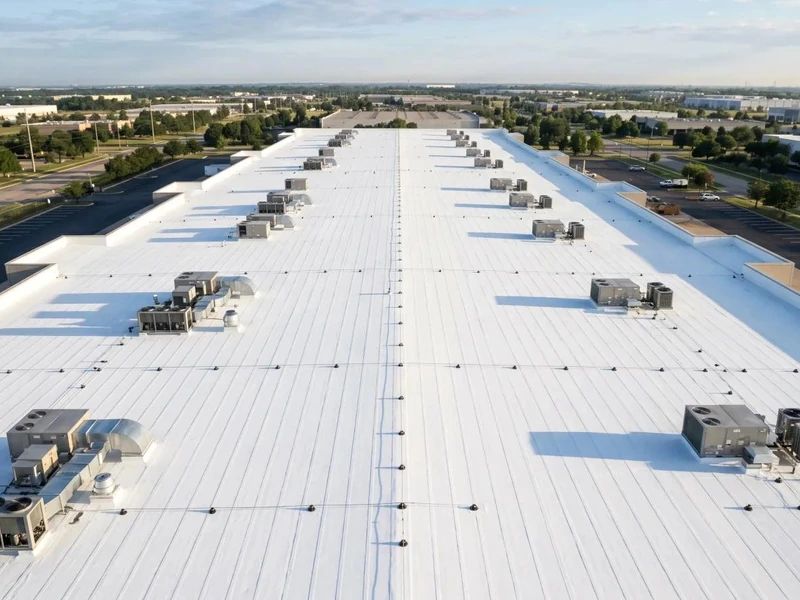
| Acrylic Liquid Rubber | Exposed roofs, metal roofs, concrete roofs, roof renovation | Flexible, UV-resistant and easy to apply over large areas | Check ponding-water requirements and substrate condition |
| Polyurethane Waterproofing (PU) | Roofs, balconies, wet areas and complex details | High elasticity, strong adhesion and good crack-bridging ability | Substrate moisture and curing conditions are important |
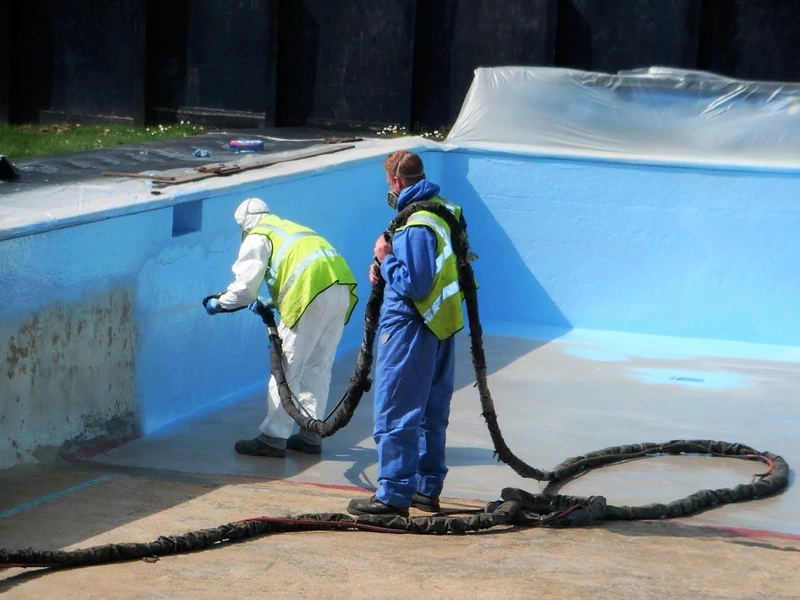
| JS Polymer Cement Waterproofing | Bathrooms, pond, balconies, swimming pool, water tanks, and cement-based substrates | Supplied as a liquid polymer component and mixed 1:1 with locally sourced cement before application. | Cement quality and mixing ratio must be controlled on site |
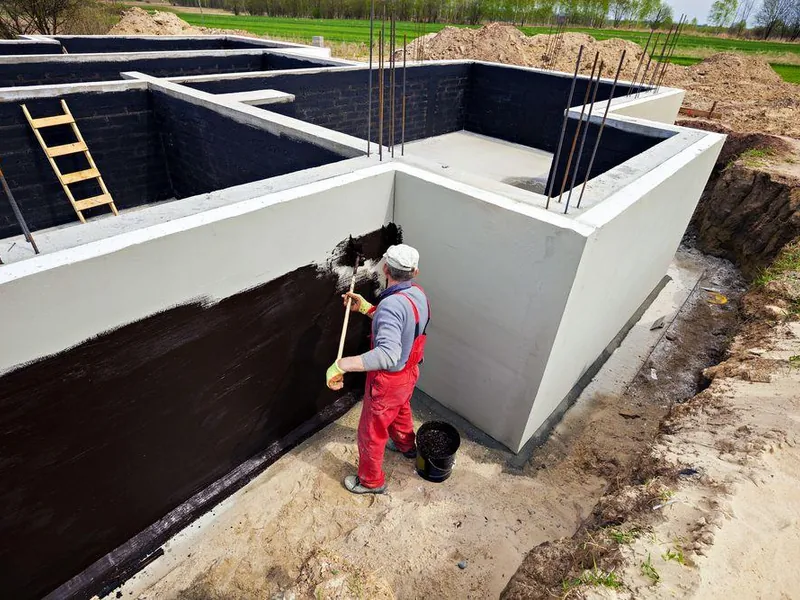
| Polymer-Modified Bituminous Waterproof Coating | Roofs, basements, foundations and below-grade concrete structures | Combines water-based bitumen with polymer emulsion for improved flexibility and waterproofing performance | Usually needs protection if exposed to sunlight |
| Transparent Waterproof Coating | Exterior walls, tiles and surfaces where the original appearance should remain visible | Adds water protection without covering the existing finish | Surface compatibility and existing cracks must be checked |
| Penetrating Crystalline Waterproof Coating | Basements, water tanks and concrete structures | Reduces water penetration by reacting within the concrete | Designed for concrete; it is not a flexible surface membrane |
| K11 Two-Component Waterproofing | Best suited for bathroom and kitchen walls, masonry and concrete surfaces, especially where tiles will be installed afterward. | Supplied as a complete powder + liquid kit. Simply mix both components on site before application. Easier for projects that prefer a ready-matched system. | Follow the supplied mixing ratio and use the full matched system |
| Heat-Reflective Anti-Rust Waterproof Coating | Exposed metal roofs, steel structures and corrugated metal sheets | A single-component white coating that combines waterproofing, rust protection and heat-reflective performance. The white finish helps reduce heat absorption on exposed metal surfaces. | Existing rust, loose coating and surface contamination should be properly treated before application |
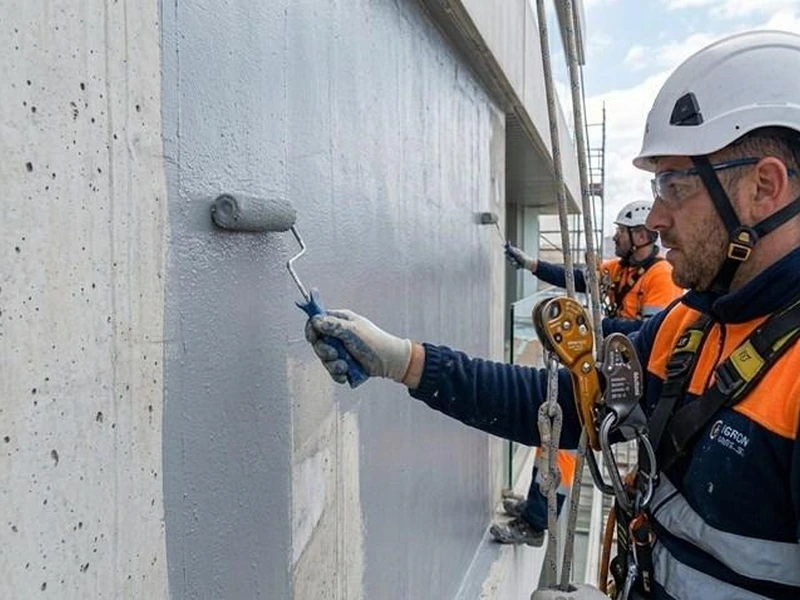
| Exterior Wall Waterproof Coating | Exterior walls, façades and masonry exposed to rain | Helps reduce rainwater penetration while protecting the wall surface. Custom colors are available, and the coating can remain exposed as the final decorative finish. | Not intended for below-grade or permanently immersed areas |
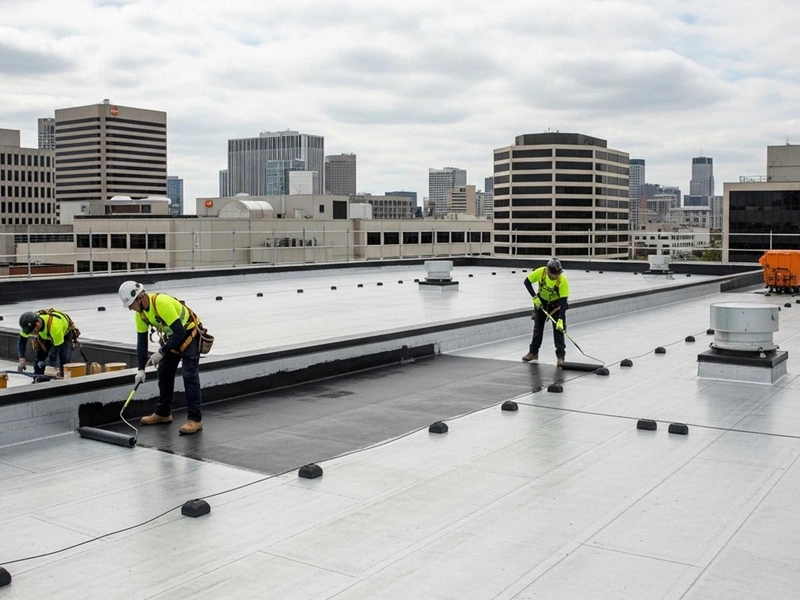
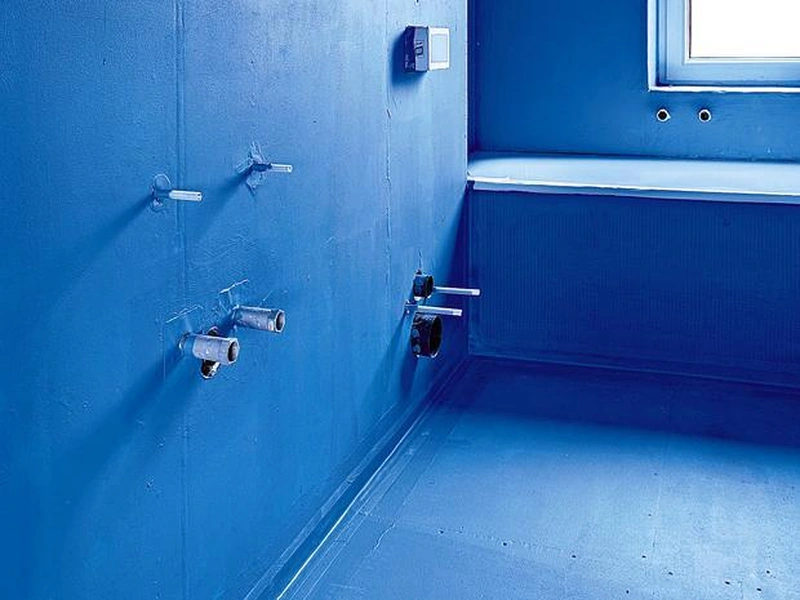
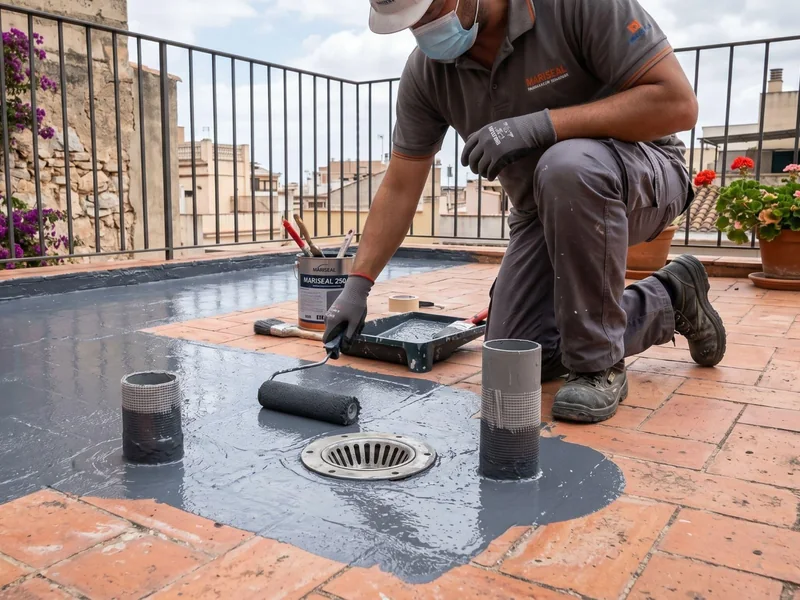
Start with the area you need to waterproof. Each solution explains the main system options, where they are used and what to consider before choosing.
Find answers to common questions about waterproof coatings, substrate preparation, and application.
Acrylic waterproof coatings are commonly used on exposed roofs because they offer good UV and weather resistance and are easy to apply over large areas.
Polyurethane coatings generally provide higher elasticity and strong adhesion, making them suitable for balconies, wet areas, complex details and applications where greater movement is expected.
The final choice depends on the substrate, water exposure, movement and service conditions.
It depends on the coating and the substrate.
Primer is often recommended on porous, dusty or highly absorbent surfaces because it helps seal the substrate and improve adhesion. Some metal, bitumen or existing coated surfaces may also require a specific primer.
Always check the product system and substrate condition before application.
Most liquid waterproofing systems require at least two coats, usually applied in different directions to achieve more even coverage.
The actual number of coats depends on the product, required dry film thickness and project conditions.
Critical areas such as cracks, corners, drains and joints may also require reinforcement before the final coats are applied.
Coverage must be calculated from the specified dry film thickness and the consumption stated in the product TDS. Allow for substrate roughness, detailing and application loss.
Yes, in many cases, but compatibility must be checked first.
The old bitumen layer should be firmly bonded, clean and free from loose material, oil and standing water. Damaged or badly aged areas should be repaired before coating.
A small adhesion test is recommended before applying the full system.
It depends on the coating type.
Some cementitious and selected water-based coatings can be applied to slightly damp substrates, while polyurethane and some other systems usually require a dry surface.
There should generally be no standing water unless the product is specifically designed for that condition.
Always follow the moisture requirements in the product TDS.
Reinforcement is most important at areas where movement or cracking is more likely, such as:
Existing cracks, Construction joints, Corners, Roof drains, Pipe penetrations, Metal sheet overlaps, Fasteners, Changes between different materials.
Full-surface reinforcement is not always required. It depends on the waterproofing system and the condition of the substrate.
Both systems can provide reliable waterproofing. The right choice depends on the substrate, project geometry, installation conditions and performance requirements.
| Key Factor | Liquid-Applied Waterproofing | Sheet Waterproofing Membranes |
|---|---|---|
| Waterproof Layer | Seamless membrane formed on site | Factory-made membrane sheets |
| Complex Details | Easily adapts to corners, drains and penetrations | Requires additional detailing at complex areas |
| Large Open Areas | Suitable | Highly suitable for large, regular surfaces |
| Thickness | Thickness depends on application and required dry film thickness | Factory-controlled thickness |
| Joints / Seams | No sheet seams | Seams or overlaps require proper installation |
| Typical Applications | Roof renovation, complex roofs, balconies, wet areas | Flat roofs, large commercial roofs, basements and below-grade structures |
Tell us about your project, and our team will help you find the right waterproofing solution.