
Sheet-applied waterproofing systems for flat roofs, concrete structures, basements, foundations and below-grade applications.
Sheet-applied waterproofing systems for flat roofs, concrete structures, basements, foundations and below-grade applications.
Different waterproofing membranes are designed for different substrates, exposure conditions and installation methods. Start with the application area before choosing a membrane type.
The right membrane depends on where it will be installed, whether it will remain exposed, how it will be fixed, and what conditions it needs to withstand.
| Waterproofing Membrane | Best Suited For | Why Choose It | Key Point to Check |
|---|---|---|---|
| SBS / APP Modified Bitumen Membrane | Flat roofs, concrete roofs and heavy-duty waterproofing | Durable sheet membrane system for roofing and structural waterproofing | Choose SBS or APP based on climate, flexibility and project requirements |
| Self-Adhesive Bitumen Membrane | Concrete roofs, foundations and flame-free projects | Easy installation without torch application | Substrate must be clean, stable and properly prepared |
| TPO Membrane | Large exposed flat roofs, commercial roofs and industrial buildings | Good for large roof areas where weather resistance, heat-welded seams and cost control are important | Welding quality, roof design and thickness should be confirmed |
| PVC Membrane | Commercial roofs, detailed roof areas and roofs with possible chemical or grease exposure | More flexible and better suited for demanding details or chemical exposure conditions | Confirm chemical exposure, plasticizer performance and project specification |
| EPDM Membrane | Flat roofs, exposed roofs and areas with movement | Synthetic rubber membrane with high flexibility and good weather resistance | Seam bonding method, substrate condition and system design should be confirmed |
| HDPE Membrane | Basements, foundations and below-grade concrete structures | Designed for below-grade waterproofing and concrete protection | Detailing, overlaps and protection during construction are critical |
A membrane is only one part of the waterproofing system. These project conditions should be checked before selecting the membrane type.
Roofs, basements, foundations, green roofs and podium decks need different membrane systems. Start with where the membrane will be used.
Some membranes are designed to remain exposed to UV and weather. Others should be covered by soil, concrete, tiles or a protection layer.
Concrete, existing bitumen, roof decks and underground structures require different surface preparation. Loose, wet or uneven substrates should be repaired first.
Self-adhered, torch-applied, heat-welded, mechanically fixed and pre-applied systems require different tools, skills and site conditions.
Overlaps, corners, drains, pipe penetrations, upstands and terminations are common risk points in sheet membrane systems.
Root resistance, chemical exposure, grease exposure, high flexibility, UV resistance or below-grade protection should be confirmed before choosing the membrane.
Some projects may restrict open flame, hot work, strong odor or heavy equipment. These restrictions can affect whether self-adhesive, welded or torch-applied systems are suitable.
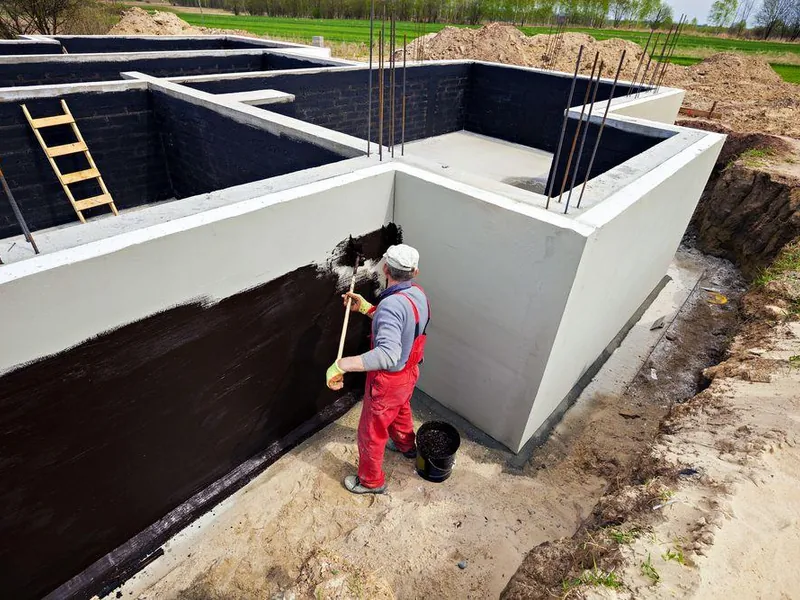
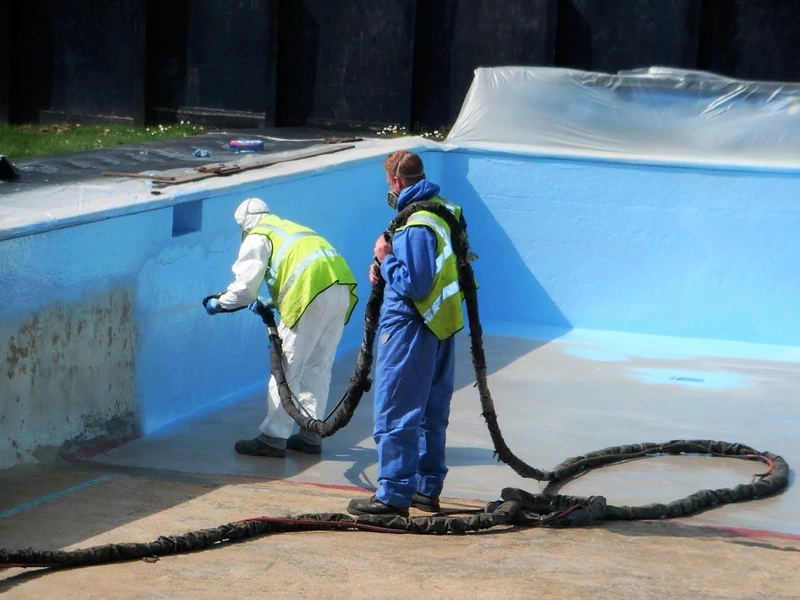
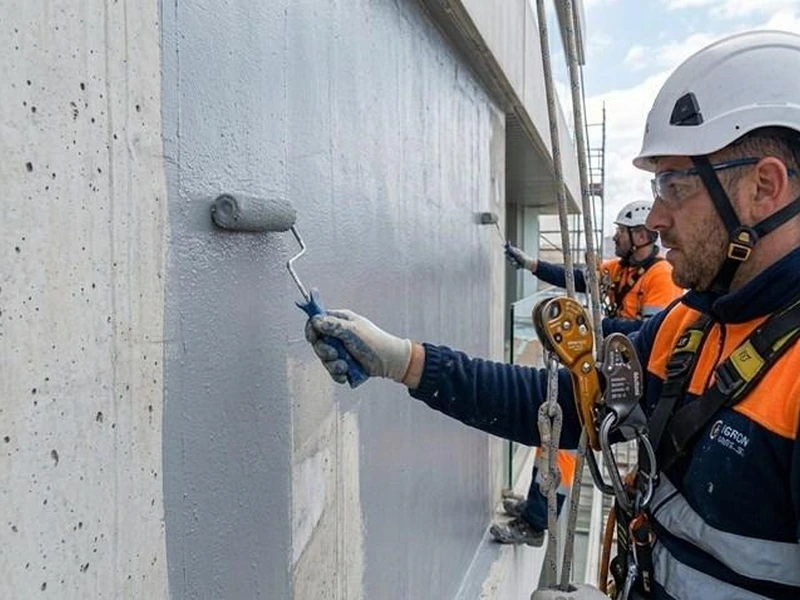
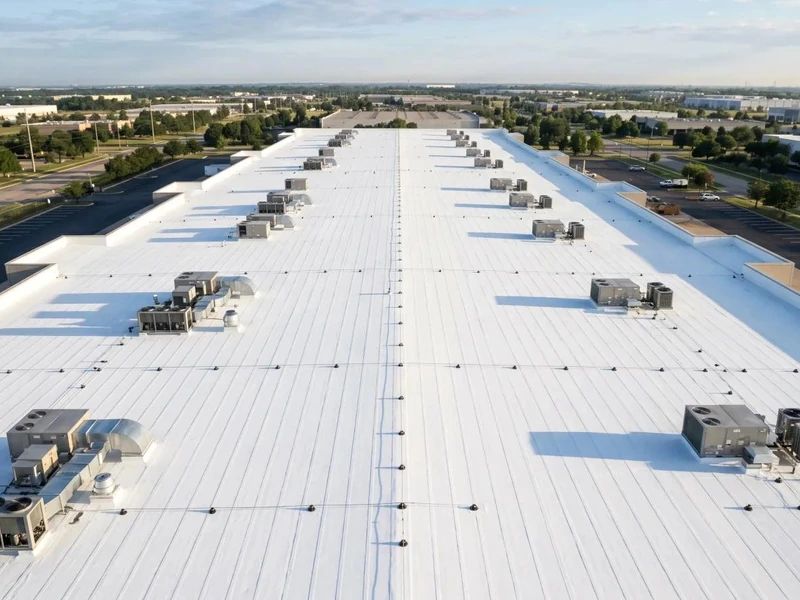
Start with the area you need to waterproof. Each solution explains the main system options, where they are used and what to check before choosing.
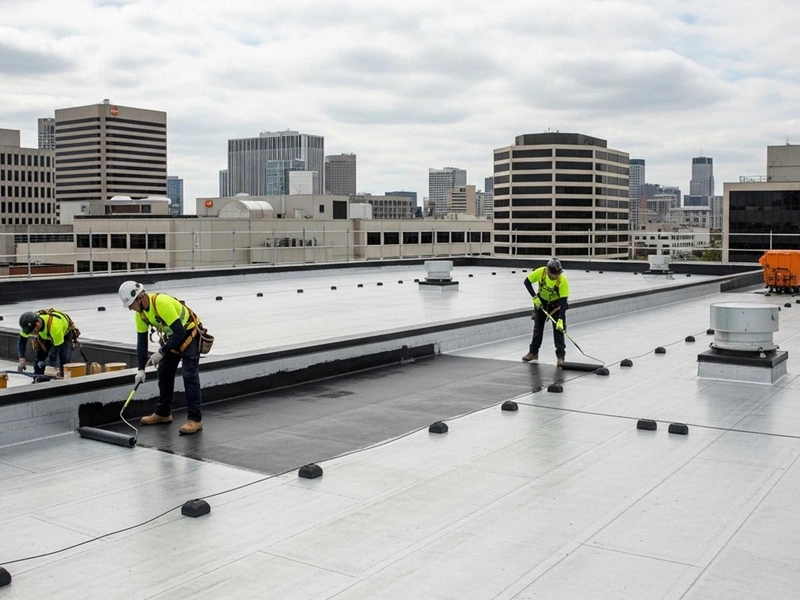
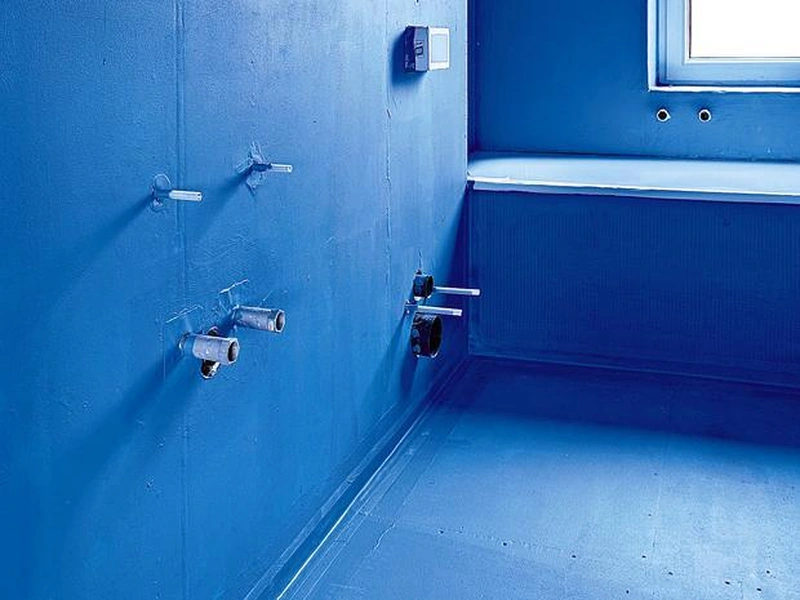
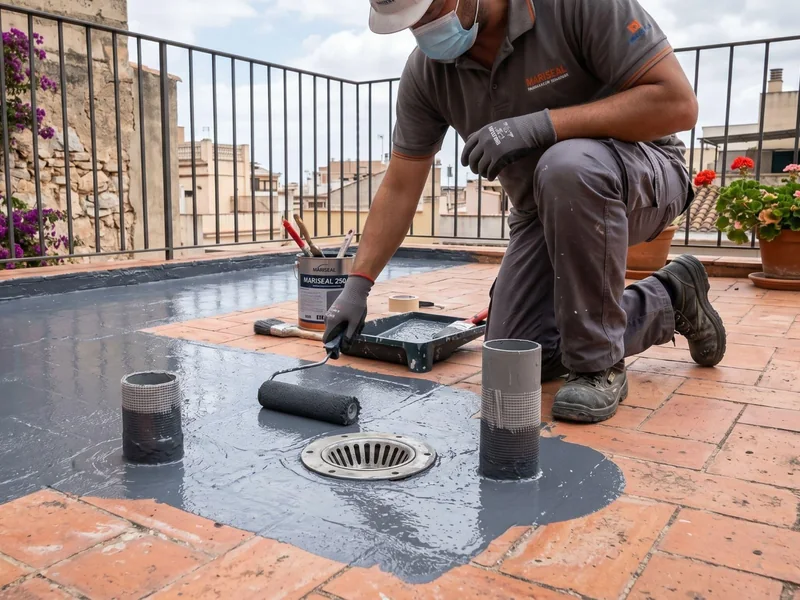
Find answers to common questions about waterproof coatings, substrate preparation, and application.
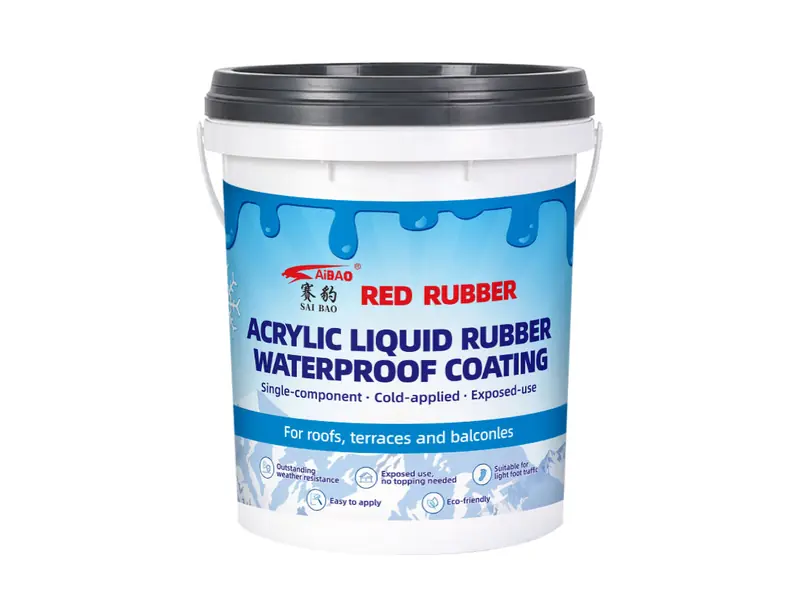
Acrylic waterproof coatings are commonly used on exposed roofs because they offer good UV and weather resistance and are easy to apply over large areas.
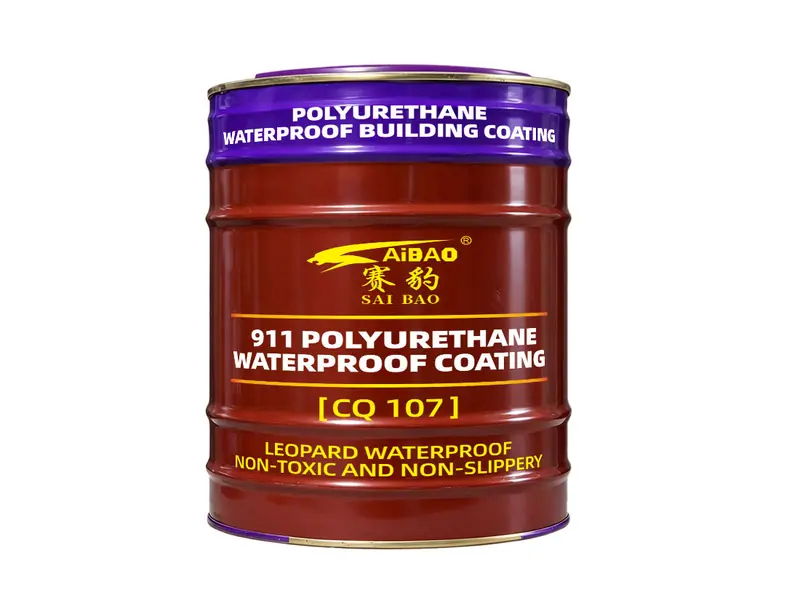
Polyurethane coatings generally provide higher elasticity and strong adhesion, making them suitable for balconies, wet areas, complex details and applications where greater movement is expected.
The final choice depends on the substrate, water exposure, movement and service conditions.
It depends on the coating and the substrate.
Primer is often recommended on porous, dusty or highly absorbent surfaces because it helps seal the substrate and improve adhesion. Some metal, bitumen or existing coated surfaces may also require a specific primer.
Always check the product system and substrate condition before application.
Most liquid waterproofing systems require at least two coats, usually applied in different directions to achieve more even coverage.
The actual number of coats depends on the product, required dry film thickness and project conditions.
Critical areas such as cracks, corners, drains and joints may also require reinforcement before the final coats are applied.
Coverage must be calculated from the specified dry film thickness and the consumption stated in the product TDS. Allow for substrate roughness, detailing and application loss.
Yes, in many cases, but compatibility must be checked first.
The old bitumen layer should be firmly bonded, clean and free from loose material, oil and standing water. Damaged or badly aged areas should be repaired before coating.
A small adhesion test is recommended before applying the full system.
It depends on the coating type.
Some cementitious and selected water-based coatings can be applied to slightly damp substrates, while polyurethane and some other systems usually require a dry surface.
There should generally be no standing water unless the product is specifically designed for that condition.
Always follow the moisture requirements in the product TDS.
Reinforcement is most important at areas where movement or cracking is more likely, such as:
Existing cracks, Construction joints, Corners, Roof drains, Pipe penetrations, Metal sheet overlaps, Fasteners, Changes between different materials.
Full-surface reinforcement is not always required. It depends on the waterproofing system and the condition of the substrate.
Both systems can provide reliable waterproofing. The right choice depends on the substrate, project geometry, installation conditions and performance requirements.
| Key Factor | Liquid-Applied Waterproofing | Sheet Waterproofing Membranes |
|---|---|---|
| Waterproof Layer | Seamless membrane formed on site | Factory-made membrane sheets |
| Complex Details | Easily adapts to corners, drains and penetrations | Requires additional detailing at complex areas |
| Large Open Areas | Suitable | Highly suitable for large, regular surfaces |
| Thickness | Thickness depends on application and required dry film thickness | Factory-controlled thickness |
| Joints / Seams | No sheet seams | Seams or overlaps require proper installation |
| Typical Applications | Roof renovation, complex roofs, balconies, wet areas | Flat roofs, large commercial roofs, basements and below-grade structures |
Tell us about your project, and our team will help you find the right waterproofing solution.