Waterproof Coatings

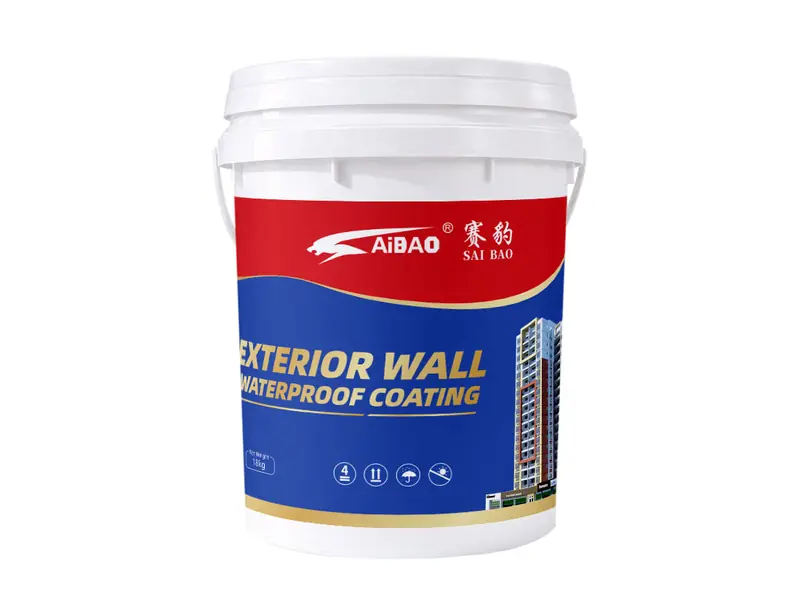
Exterior Wall Waterproof Coating

Exterior Wall Waterproof Coating

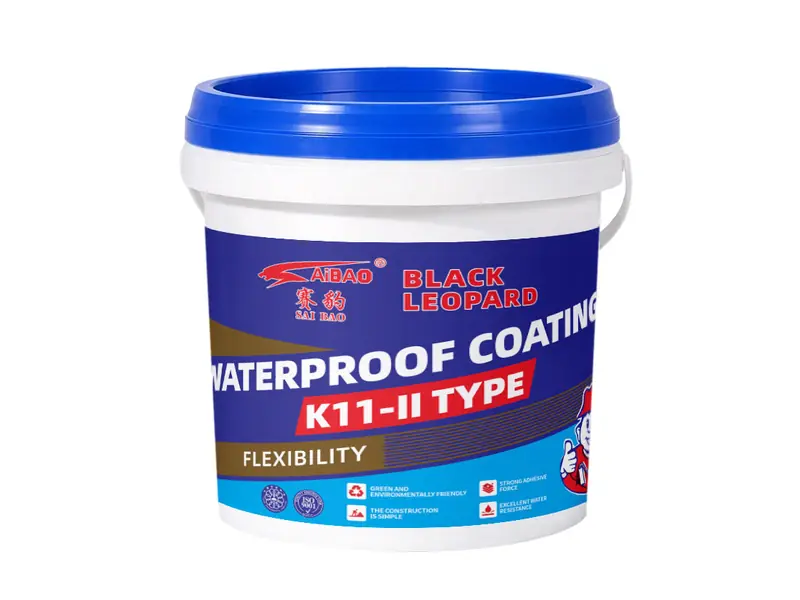
k11-ii-waterproof-coating

K11 Waterproof Coating

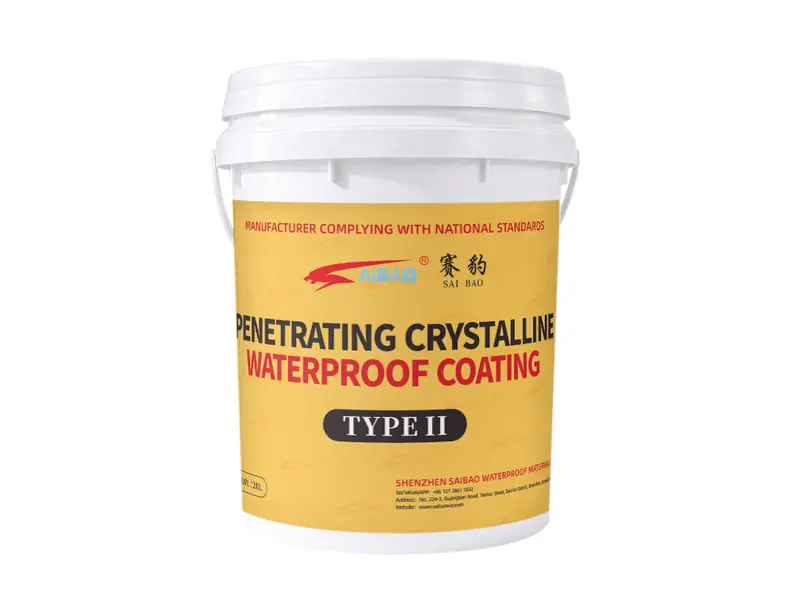
penetrating-crystalline-waterproof-coating-type-ii

Crystalline Waterproofing Coating

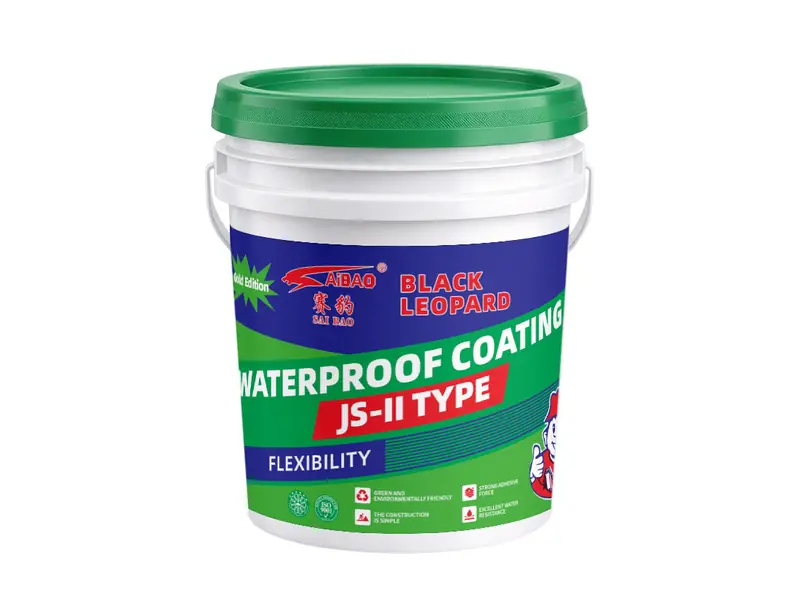
js-ii-waterproof-coating

JS Polymer Waterproof Coating

Polyurea Waterproof Coating

Polyurea

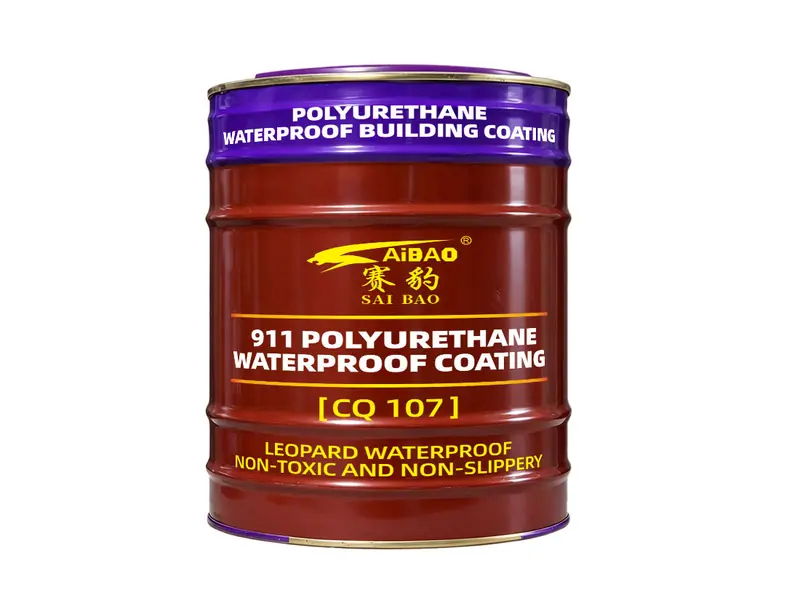
911-polyurethane-waterproof-coating

Polyurethane Waterproof Coating

About Waterproof Coatings

waterproof_coating
  • Comprehensive protection: Creates a continuous, seamless barrier preventing water ingress.

  • Versatile composition: Includes acrylics, polyurethanes, synthetic polymers, and polyureas.

  • Flexible application: Can be applied by brushing, rolling, or spraying to suit different surfaces.

  • Long-lasting performance: Ensures an effective, durable seal that resists weathering and cracking.

  • Corrosion prevention: Acts as a protective armor, shielding structures from corrosion and daily wear.

  • Extended lifespan: Significantly increases the durability of buildings and concrete structures.
Materials:

  • Polymers: Synthetic, high-molecular-weight coatings that transform from liquid to solid, creating a film.
  • Polyurethane: Used for wood, ceramics, and concrete to provide waterproofing and corrosion resistance.
  • Acrylic and Epoxy: Durable, water-based paints that can be used on floors, walls, and roofs.
  • Cementitious Coatings: Modified cement-based coatings that are often applied to concrete and masonry.
  • Membranes: Sheets of material, like those applied with heat (torch-on membranes), that form a complete waterproof layer.

Applications:

  • Protecting building foundations, basements, and tunnels.
  • Sealing roofs, both low-angle and those exposed to water pooling.
  • Waterproofing exterior walls and other surfaces like concrete and stone.
  • Protecting internal structures, such as water tanks.

Application Methods:

  • Brush or roller: Common for paints and sealants.
  • Heat application: Used for membranes to ensure a solid bond.
  • Spraying: An option for some paint types.

Benefits:

  • Prevents structural damage and deterioration.
  • Protects against corrosion.
  • Increases the lifespan of buildings and other surfaces.
  • Provides aesthetic benefits by preventing stains and dampness on walls.
  • Offers resistance to chemicals, making them suitable for industrial use

Ask for Quote Now

Tell Us What You Need

Let's Talk About Your Waterproofing Needs

Tell us about your project, and our team will help you find the right waterproofing solution.